
I was recently in Oklahoma for a few days, unveiling new bullying and vaping campaign toolkits Idea Engineering has developed, in part with collaboration and feedback from our OK Tribal clients and students. I’m quite excited about the bullying campaign in particular because it very purposefully invites young adults to “step into power.” To be very clear, this is not the same as “empowerment” which I have long claimed to be one of my least-liked words in the English language.
As I say in my recently completed book, Perceptioneering: Identity, Power and The Battle for Our Reality, you cannot “empower” someone. If you are giving someone power, then that is your power, not theirs. — And they can feel the difference. Only power claimed is real power and how one goes about getting people to “step into power” is a different path than the usual stultifying “empowerment” attempts. Much as they are words right in the book title and also something I write and lecture about often, the interplay between identity and power (and stigma and belonging) are the ingredients for essentially all behavior.
Young adults are reminded every day how little power they have. They are told to “grow up” and act like adults, and yet they are continually treated like children. For 8 hours a day at school, they need permission just to go pee. As we are finding out all across our society, if you deny people power, they will find it — often in the worst of ways and places. If we allow young adults to find power in self-actualizing ways, instead of infantilizing them, they might be less inclined to find power at the cost of someone weaker.
To that end, most bullying campaigns essentially follow a path of, “Bullying is bad.” Oh really? How illuminating. In this and too many other public outreach examples, when you repeatedly tell someone something that they (and the rest of humanity) already know, you leave them with two possibilities to interpret your view of them. Either you imagine that they are the single dumbest person on the planet who does not know this thing, or they do know it and are too weak, stupid or spineless to do anything about it. As a general rule, starting a relationship with an insult is not a road to sunny climes.
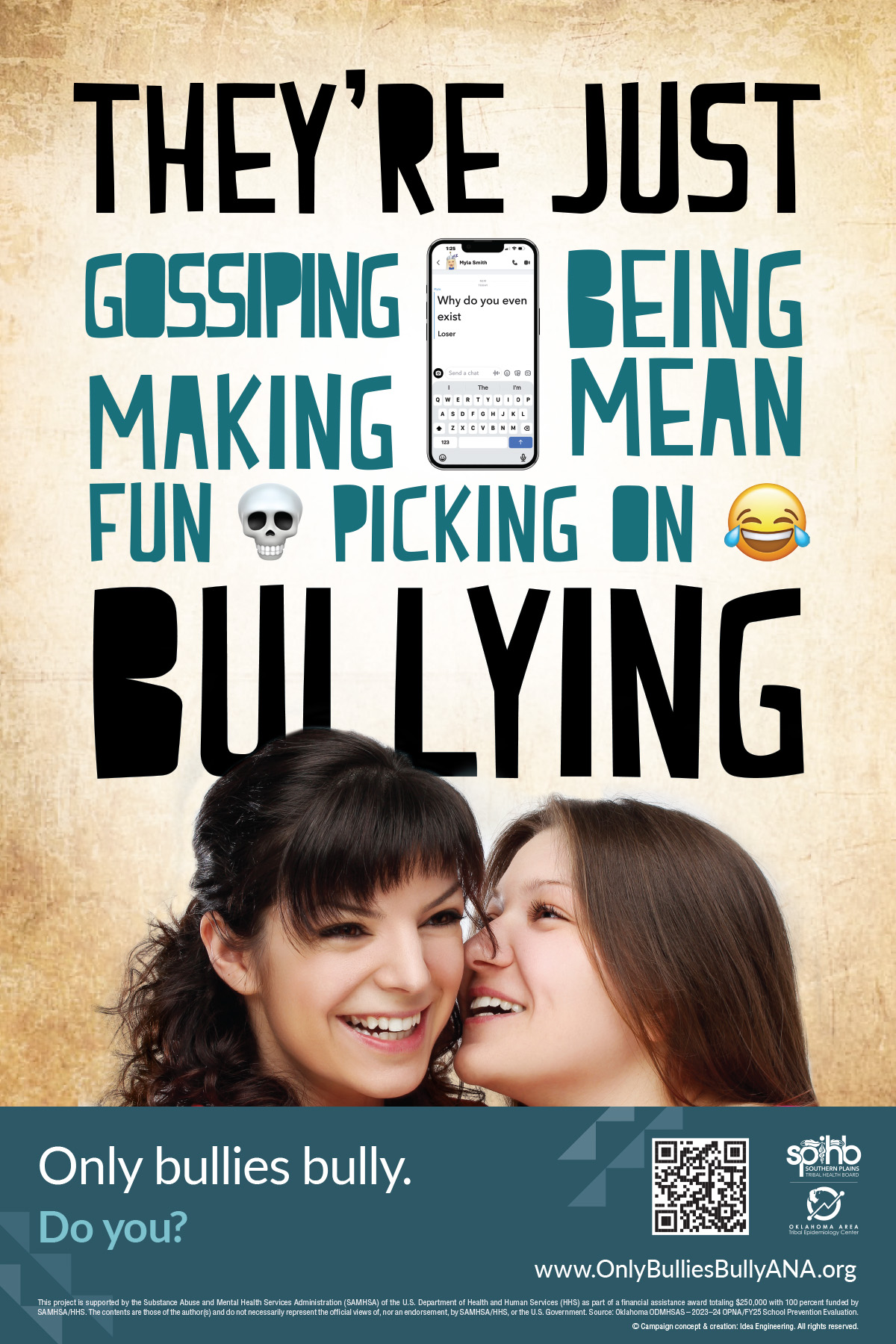
In our campaign (an example of which can be seen here) we instead show some examples of bullying and then we point out a potentially indicting truth, “Only bullies bully,” along with a simple question: “Do you?” And we leave the kids alone to wrestle with it. Are these things that they themselves do? Does that then make them a bully? Is that who they wish to be? What do they want to do about it? Aside from giving them space to find their own power, we are training them to be adults, not talking down to them as children. Decisions they make of their own volition as a statement of their chosen identity, they will defend. Following an order given by you does not inculcate similar adherence.
As I discuss through several chapters of my book, the transition of the United States over the last four decades from “Golden Age” capitalism to “Imperial” capitalism has come with real deleterious costs to middle- and working-class America. The decades of Golden Age capitalism are the “Great America” years that many people yearn to return to. —Years of the US being a beacon of freedom, vibrancy and innovation to the world and when there was an actual middle class that could afford to live and retire with a pension. The changes of the last forty years toward a transactional, “winner take all” environment have left many people feeling powerless and looking for power. But much as I sometimes caution clients who wish to make funny messaging about serious subjects that you cannot “fun your way to seriousness,” you similarly cannot insult, bully and scathe your way back to times of civility and agency.
The challenges I see in the schools of Oklahoma are the same ones I see in schools in California, Washington, DC and wherever I travel. Because our children are learning from us. If these are the ways we treat each other, why would we expect different from them? (Although I must say, I see more rays of sunshine in teens than I do in many adults.)
The transactional, power-depleting culture we have created is promulgated by the algorithms that our children are relentlessly exposed to. Their entire information infrastructure is designed to produce addictions, stress, outrage and behavior in service of someone else’s revenue.
Rather bizarrely, where in times past we might have encouraged children and young adults to emulate adult behavior as a guide to treating people with respect, now we are largely trying to get them to not treat others as they see adults doing.
Sadly, the power I hope our bullying campaigns help young adults claim is ultimately the power to say no to the behavior mechanisms that the adult world has unleashed upon them and ardently refuses to rein in.
We have met the enemy and they are us.

The Meta settlement is not enough. It imposes restrictions around the edges, while leaving the truly damaging core functions of Facebook and Instagram: identity manipulation, continuing largely unimpeded.
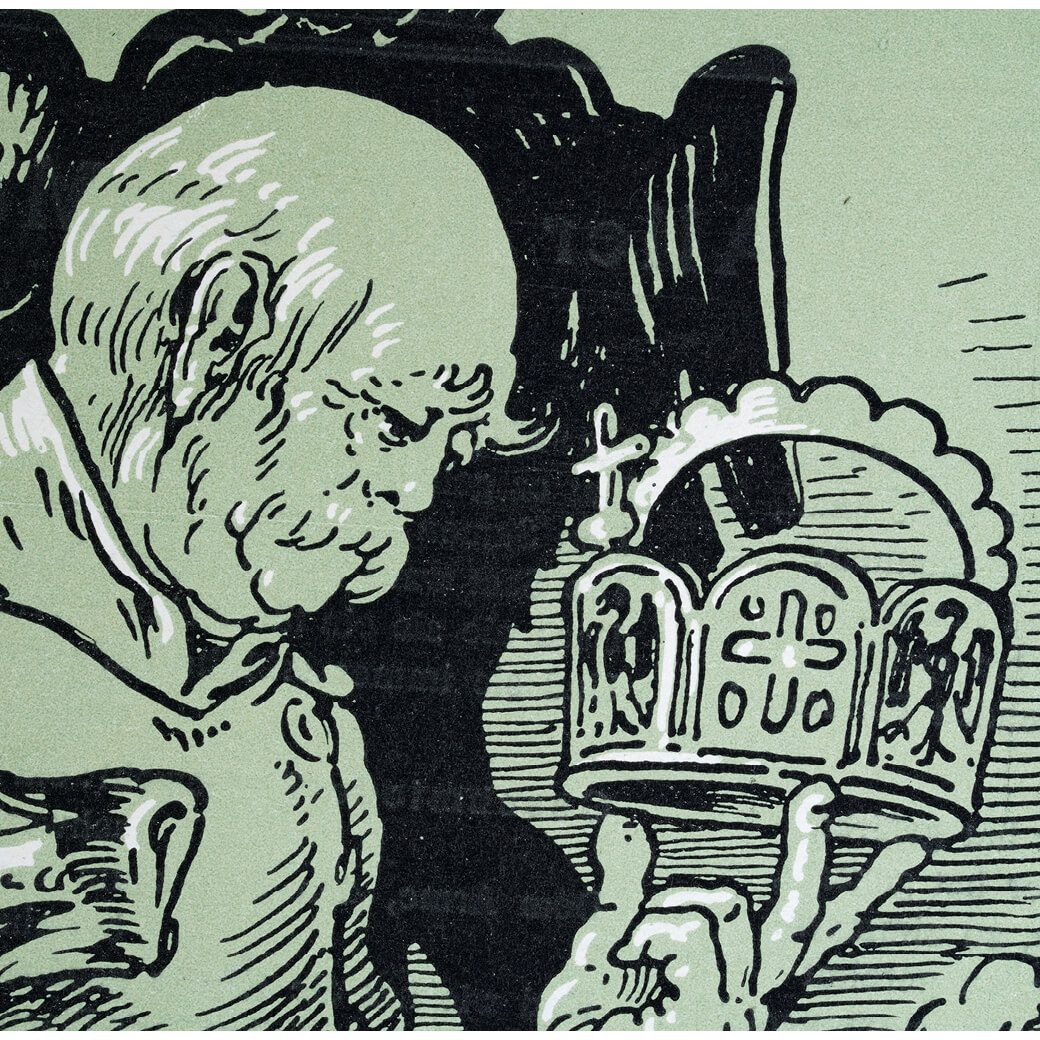
When we sell our identity for borrowed power, the price is our personal independence
People seek to have power over their own lives. Teens, adults, older adults – everyone. What happens when they feel powerless? What happens when you or your communications make them feel they have less power?
The way we talk to others demand that they accept an identity for themselves, and sets up a particular relational dynamic. If we're not careful, that identity can be stigmatizing or turn away the very people we're trying to help.
Get the latest posts and updates delivered to your inbox.

